bird · Passeriformes · Paridae
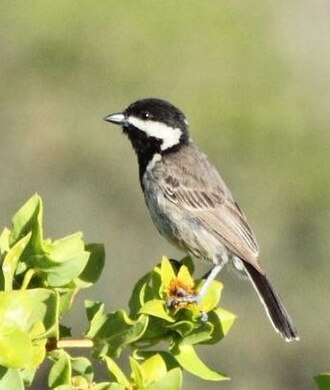
Grey Tit
Parus afer Gmelin, 1789 — also called Gray Tit. Occurrence records of the Grey Tit are shared on GBIF from around 20 parks and reserves in the directory, most of all Langebaan Lagoon Marine Protected Area (317 records), in 2 provinces.
IUCN: Least concernParidae
20reserves with records
1 396records around them
2provinces
LCIUCN category
Where it is recorded
| Reserve | Province | Records |
|---|---|---|
| Langebaan Lagoon Marine Protected AreaMarine protected area | WC Western Cape | 317 |
| West Coast National ParkNational park | WC Western Cape | 293 |
| West Coast Fossil ParkProtected heritage site | WC Western Cape | 174 |
| Matjiesrivier Nature ReserveProtected area | WC Western Cape | 126 |
| Paternoster MiddenProtected heritage site | WC Western Cape | 92 |
| Karoo National ParkNational park | WC Western Cape | 90 |
| CederbergProtected area | WC Western Cape | 76 |
| Cederberg Wilderness AreaProtected area | WC Western Cape | 75 |
| Goegap Nature ReserveNature reserve | NC Northern Cape | 51 |
| Sixteen Mile Beach Marine Protected AreaMarine protected area | WC Western Cape | 35 |
| Cape Columbine Nature ReserveNature reserve | WC Western Cape | 16 |
| Postberg Nature ReserveNature reserve | WC Western Cape | 14 |
| Namaqua National Park Marine Protected AreaMarine protected area | NC Northern Cape | 12 |
| Marcus Island Marine Protected AreaMarine protected area | WC Western Cape | 8 |
| Rocherpan Nature ReserveNature reserve | WC Western Cape | 4 |
| Anysberg Nature ReserveProtected area | WC Western Cape | 4 |
| Soopjeshoogte Private Nature ReserveNature reserve | WC Western Cape | 3 |
| SAS Saldanha Nature ReserveNature reserve | WC Western Cape | 2 |
| Malgas Island Marine Protected AreaMarine protected area | WC Western Cape | 2 |
| Bon Game ReservePrivate game reserve | WC Western Cape | 2 |
By province
- Western Cape
- 18 reserves
- Northern Cape
- 2 reserves
Taxonomy
- Class
- Aves
- Order
- Passeriformes
- Family
- Paridae
- Scientific name
- Parus afer
- GBIF taxon
- 2487931
- Wikidata
- Q2226344
More of the Paridae family
Source: GBIF.org occurrence records within the radius of each reserve's point; taxonomy and IUCN category from the GBIF backbone; photo from Wikimedia Commons, credit on the picture. Records near a reserve do not prove the species lives inside it.